Get Arborist Pruning
Arborist pruning services help property owners improve tree health, safety, and appearance by removing dead or hazardous branches and shaping trees for better growth.
Arborist pruning services are an essential part of maintaining healthy and attractive trees on residential and commercial properties. Proper pruning can improve the structure and safety of trees, reduce the risk of falling branches, and promote vigorous growth. Property owners in the area often explore these services to enhance the overall appearance of their landscapes, prevent potential hazards, and support the long-term health of their trees. Whether planning routine maintenance or addressing specific concerns, exploring local options ensures access to experienced service providers who understand the unique needs of the community’s trees.
For those considering arborist pruning, comparing local contractors can help identify the best fit for their project. Many property owners seek professionals who can deliver expert advice and quality work tailored to their landscape goals. As part of planning efforts, researching available service providers allows for informed decisions and confidence in the work performed. Keep reading to discover how local experts can assist with your tree care needs and help achieve a safe, healthy, and visually appealing outdoor space.
- Tree Pruning - needed when trees require shaping, removal of dead or diseased branches, or clearance for safety.
- Hedge Trimming - necessary to maintain neatness and prevent overgrowth in residential or commercial landscapes.
- Fruit Tree Pruning - essential for improving fruit production and overall tree health during the growing season.
- Storm Damage Pruning - required after severe weather to remove broken or hazardous branches that pose risks.
- Crown Thinning - performed to reduce wind resistance and improve light penetration in dense tree canopies.
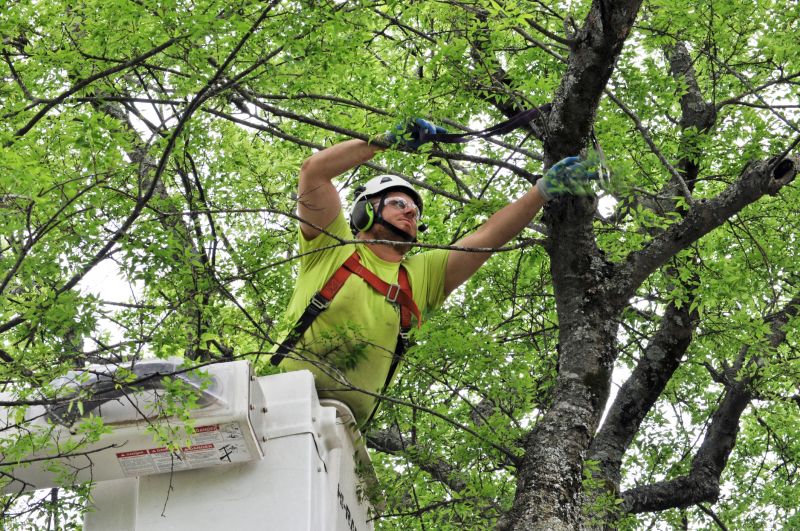
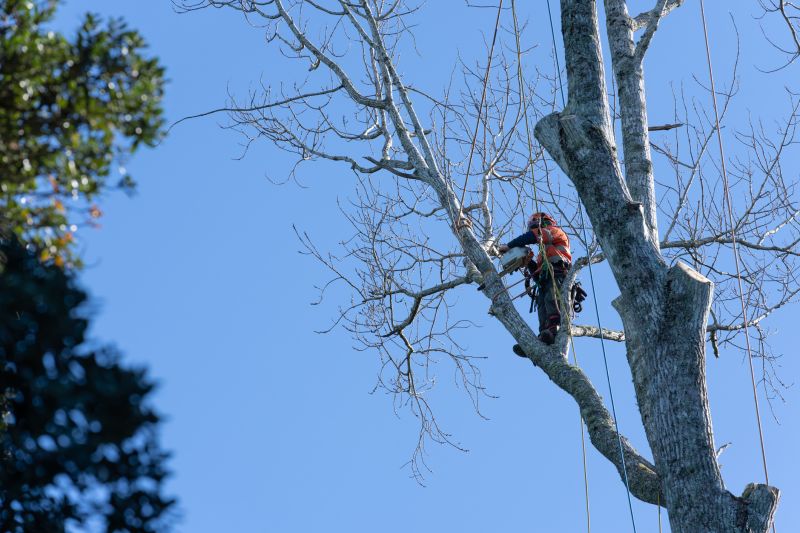
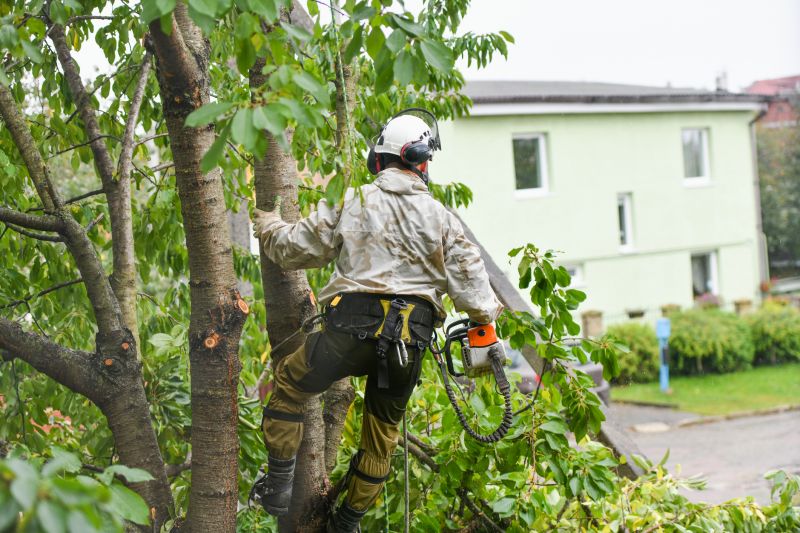
Arborist pruning services involve carefully trimming and shaping trees to promote their health, safety, and aesthetic appeal. Skilled service providers assess each tree’s structure, removing dead or diseased branches, reducing overgrowth, and ensuring proper branch spacing. Proper pruning not only enhances the natural shape of the tree but also helps prevent potential hazards caused by falling limbs or weak branches. This targeted trimming can improve airflow and sunlight penetration, supporting the overall vitality of the tree and surrounding landscape.
These services are particularly valuable for addressing common problems such as overgrown branches that interfere with power lines or structures, diseased or damaged limbs that pose safety risks, and trees that have become unruly or unbalanced over time. Regular pruning can also help control the size of trees in confined spaces, reducing the risk of damage during storms. Homeowners often turn to local contractors for pruning when they notice branches that are dead, broken, or growing in directions that could cause issues in the future.
Properties of all types can benefit from arborist pruning services, including residential yards, historic estates, commercial properties, and community parks. Homes with mature trees may require periodic pruning to maintain safety and curb appeal, while larger properties with extensive landscaping often need professional trimming to manage the overall landscape design. Commercial sites, such as shopping centers or office parks, may also rely on these services to keep their trees healthy and their grounds visually appealing.
Homeowners typically seek arborist pruning services when they observe problematic growth, such as branches obstructing views, interfering with utility lines, or creating safety hazards. Additionally, trees that have become overgrown or misshapen over the years can benefit from professional shaping to restore their natural beauty and health. Contacting experienced local contractors ensures that pruning work is performed correctly, helping trees remain strong, safe, and attractive for years to come.
The overview below groups typical Arborist Pruning projects into broad ranges so you can see how smaller, mid-sized, and larger jobs often compare in your area.
In many markets, a large share of routine jobs stays in the lower and middle ranges, while only a smaller percentage of projects moves into the highest bands when the work is more complex or site conditions are harder than average.
Smaller Pruning Jobs - typical costs range from $150-$400 for routine pruning of small to medium trees. Many standard maintenance projects fall within this range, though prices can vary based on tree size and accessibility.
Medium-Sized Tree Pruning - most local contractors charge between $400-$1,000 for pruning larger trees or multiple trees in a single visit. These projects are common for regular upkeep or shaping of mature trees.
Large or Complex Pruning - extensive pruning of large or hard-to-reach trees can cost $1,000-$3,000 or more. Such projects are less frequent but may involve significant equipment and planning.
Emergency or Special Situations - urgent pruning or removal work due to storm damage or safety concerns can range from $500-$5,000+, depending on the scope and complexity of the job. These projects are typically less predictable in cost.
Actual totals will depend on details like access to the work area, the scope of the project, and the materials selected, so use these as general starting points rather than exact figures.
Tree Removal - professionals skilled in safely removing trees can also handle pruning tasks to maintain tree health and safety.
Stump Grinding - stump grinding requires similar tools and planning as pruning to ensure proper clearance and aesthetic appeal.
Landscape Maintenance - landscape maintenance includes pruning as a key component to keep trees and shrubs healthy and visually appealing.
Emergency Tree Care - emergency services often involve pruning to remove broken or hazardous branches after storms or damage.
Hedge Trimming - hedge trimming shares techniques and tools with pruning, focusing on shaping and maintaining plant health.
Fruit Tree Pruning - specialized pruning of fruit trees involves similar skills to arborist pruning to promote fruit production and tree vitality.
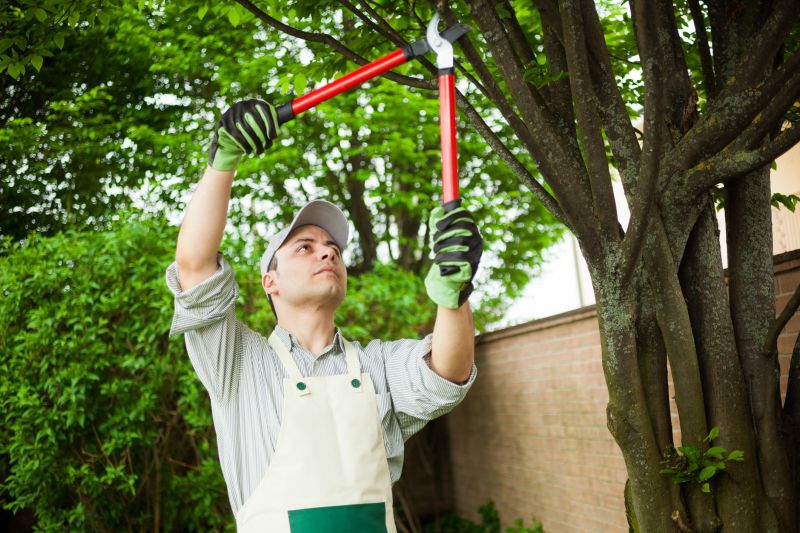
When comparing arborist pruning services, it’s important to consider the experience of local contractors with similar projects. Homeowners should look for service providers who have a proven track record of handling trees and pruning tasks comparable to their specific needs. This can help ensure that the selected professional understands the nuances of different tree species, sizes, and pruning techniques, leading to a more successful outcome.
Clear, written expectations are essential when evaluating potential service providers. Homeowners should seek contractors who can provide detailed descriptions of their proposed work, including the scope of pruning, methods used, and any relevant considerations. Having these expectations documented helps prevent misunderstandings and ensures that both parties are aligned on the project’s goals and deliverables.
Reputable references and effective communication are key factors in choosing a reliable arborist pruning service. Homeowners are encouraged to ask for references from previous clients who had similar work done and to verify the quality of the service provided. Additionally, good communication with the contractor-through responsiveness, clarity, and transparency-can make the entire process smoother and more predictable. The site serves as a resource to connect homeowners with local service providers, not to perform the work itself.
Property owners use Arborist Pruning services for practical projects around their homes and businesses. This guide focuses on everyday jobs and straightforward project options.
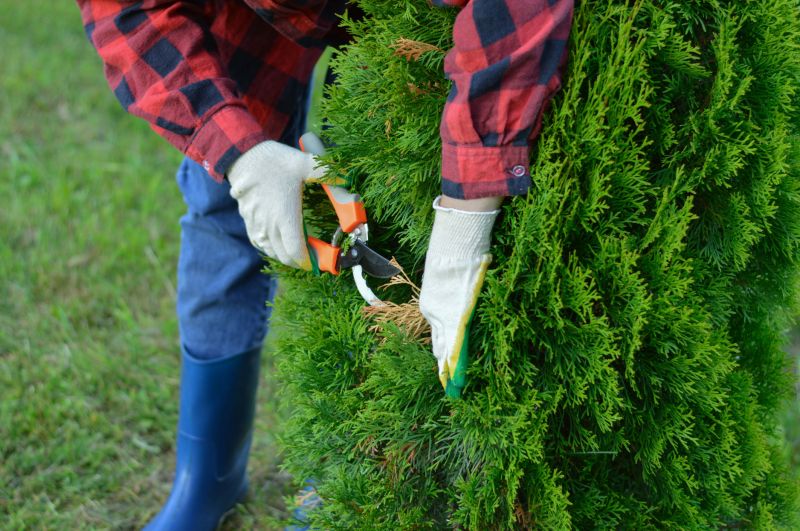
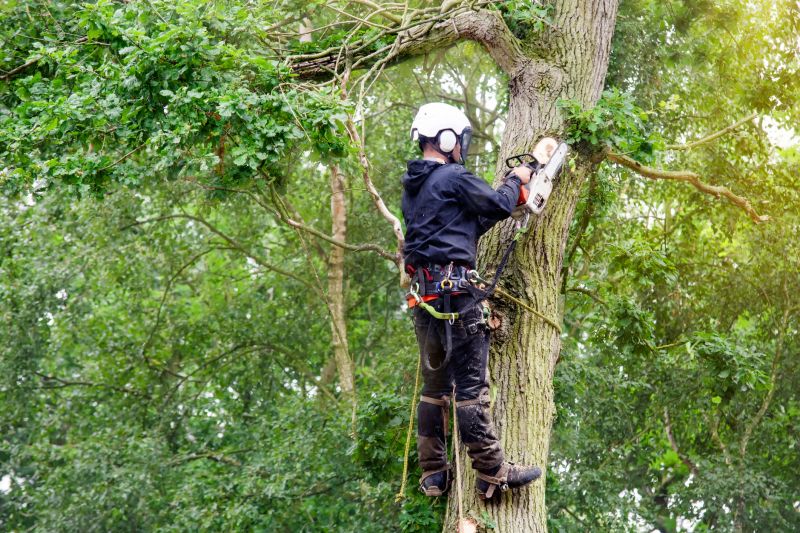
Arborist pruning services are often needed for routine maintenance or to address specific concerns about trees on residential or commercial properties. Property owners might seek pruning to remove dead or diseased branches, improve the overall health of a tree, or prevent potential hazards caused by overgrown limbs. Additionally, pruning can enhance the appearance of trees and ensure they fit well within the landscape, making outdoor spaces safer and more attractive.
Local contractors who specialize in arborist pruning can assist with a variety of project situations, from shaping young trees to managing mature ones. Homeowners and business owners may look for these services when preparing their property for seasonal changes, reducing the risk of storm damage, or simply maintaining the safety and beauty of their trees. Connecting with experienced service providers can help ensure the work is done properly and in line with the specific needs of each property.
What is arborist pruning? Arborist pruning involves selectively trimming and shaping trees to promote healthy growth and maintain their appearance.
Why should I consider professional pruning services? Professional pruning helps ensure trees are shaped properly, reduces the risk of disease, and prevents potential hazards caused by overgrown branches.
What types of pruning do local contractors offer? Local service providers typically offer crown thinning, crown reduction, deadwood removal, and structural pruning to suit different tree needs.
How often should trees be pruned? The recommended frequency varies based on tree species and condition, but consulting local pros can help determine an appropriate pruning schedule.
How can I find qualified arborist pruning services in my area? Use a local lead generation platform to compare and connect with nearby contractors experienced in arborist pruning services.
Tree Trimming for Safety - Regular pruning helps maintain tree stability and reduces the risk of falling branches during storms or high winds.
Tree Shape and Structure - Proper pruning can improve the natural shape of trees and promote healthy growth for aesthetic appeal.
Removing Dead or Diseased Branches - Clearing out dead or infected limbs can prevent the spread of disease and protect surrounding plants.
Clearing Space Around Structures - Pruning trees to create clearance from buildings, power lines, or walkways enhances safety and accessibility.
If you are thinking about Arborist Pruning for a property, this guide is meant to help you understand the work, the typical project types, and how different options might fit your plans.
When you are ready, you can use the quote form on this page to share a few details about your project. From there, local pros can review the basics and respond with options that match what you have in mind.